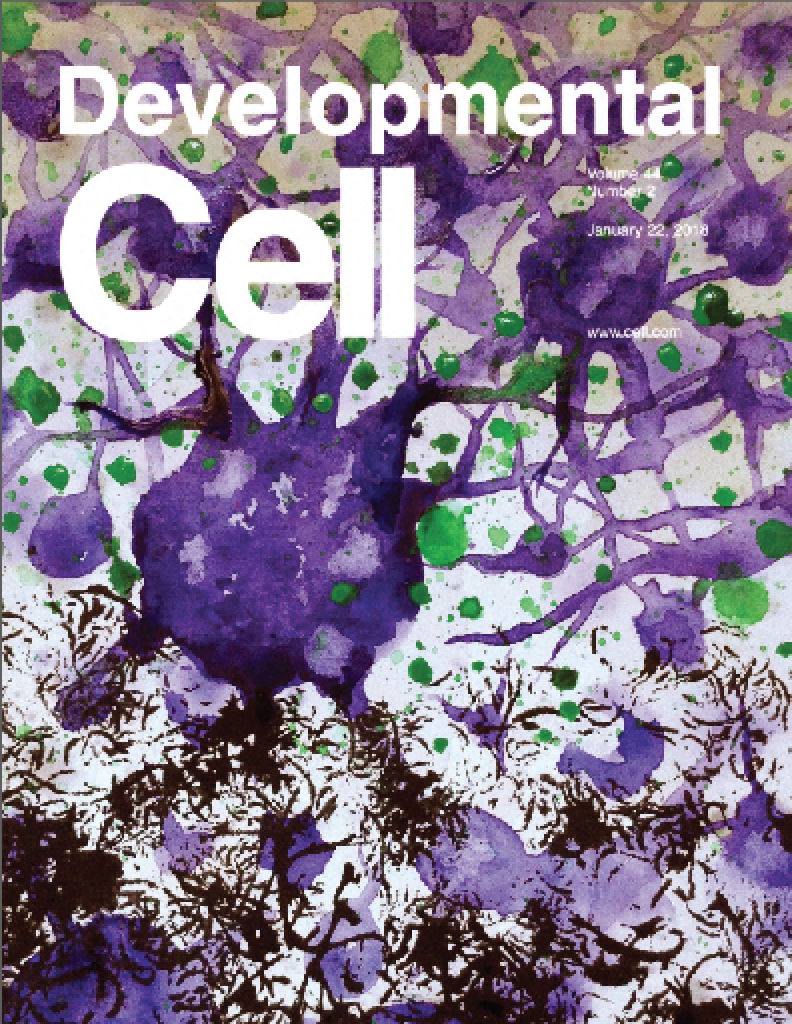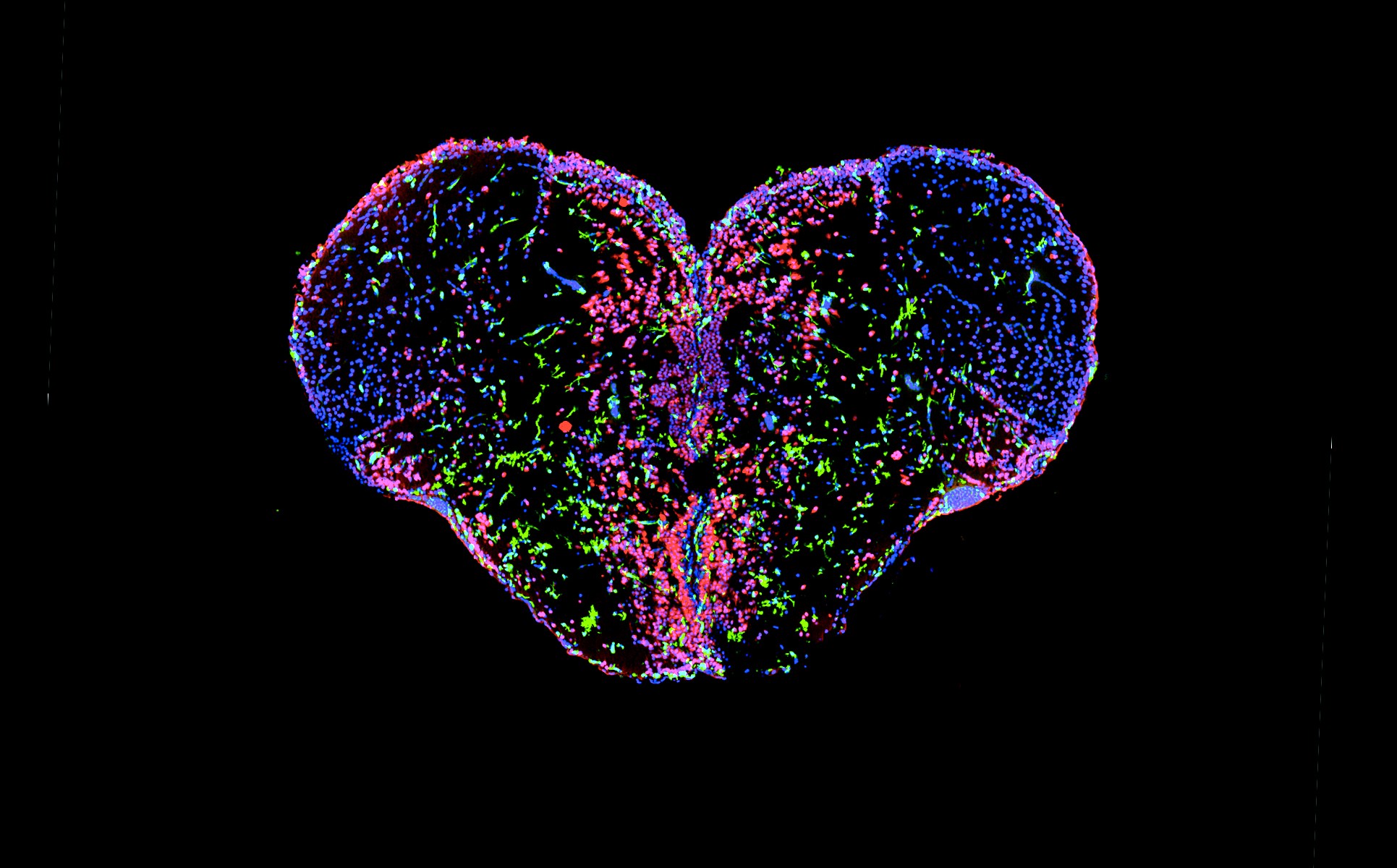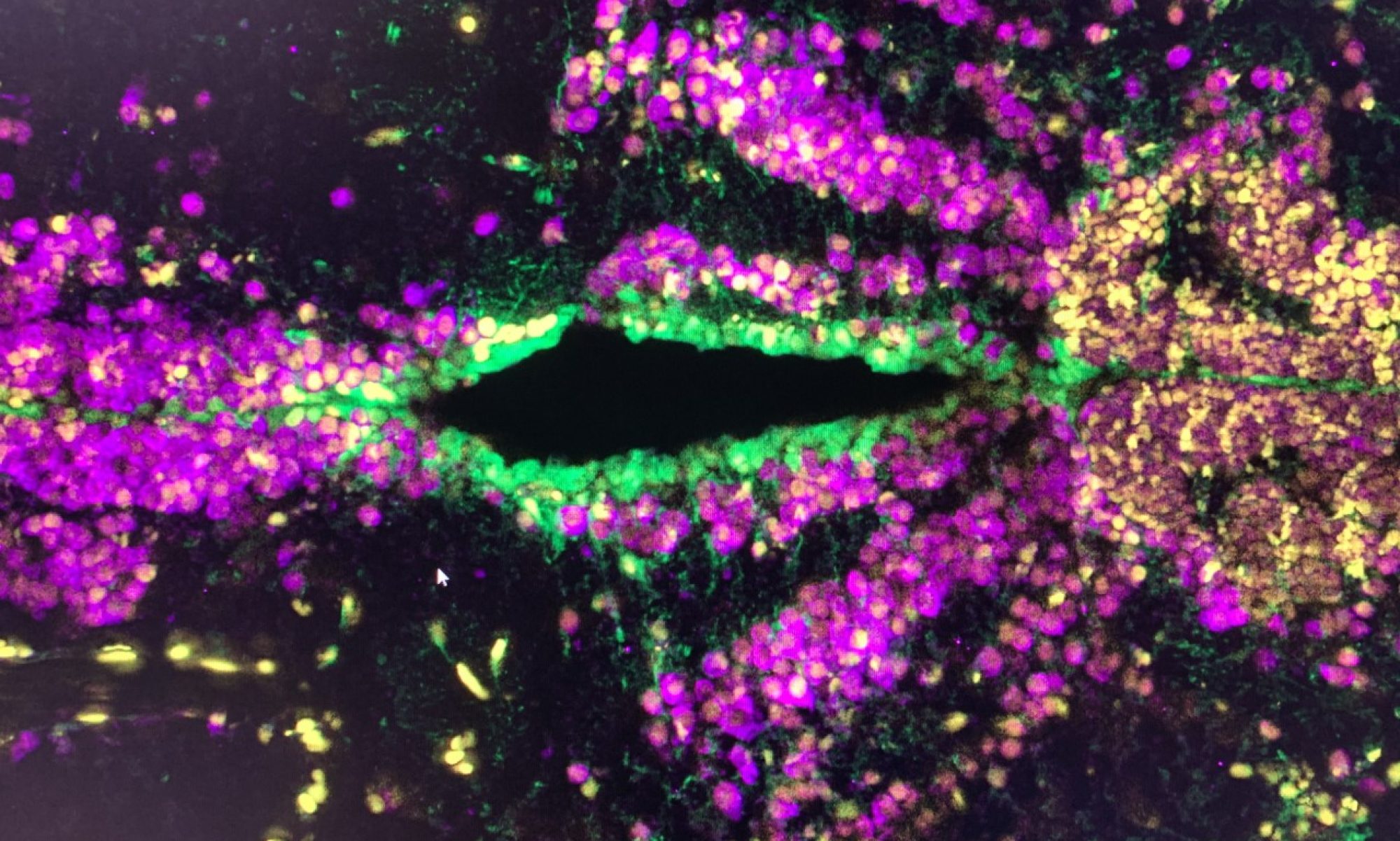
We are glad to be part of this amazing story published today in Science Advances, where functional ramifications of sequential neurogenesis in zebrafish habenula was published by Emre Yaksi Lab in NTNU, Norway. Congrats to all authors! https://advances.sciencemag.org/content/6/36/eaaz3173
Our single cell sequencing protocol published in STAR Protocols
We are delighted to share our protocol on how to dissect zebrafish telencephalon for single cell sequencing: https://star-protocols.cell.com/protocols/89 This is based on our original research in Cell Reports in 2019 by Cosacak et al. Cosacak, M.I., Bhattarai, P., Reinhardt, S., Petzold, A., Dahl, A., Zhang, Y., and Kizil, C. (2019). Single-cell transcriptomics analyses of neural stem …
Continue reading "Our single cell sequencing protocol published in STAR Protocols"
We determined the response of all brain cells to Alzheimer’s in single cell resolution
How fish brain cells react to Alzheimer’s disease Zebrafish, in contrast to humans, have outstanding regenerative capacities: If brain cells are lost due to illness or injury, they will easily regrow from so-called progenitor cells. With sophisticated methods, in the German Center for Neurodegenerative Diseases (DZNE) and the Technische Universität Dresden (TUD), we now characterized …
3D Alzheimer’s disease model and a novel therapy option generated in our lab
Modeling human brain development, inducing Alzheimer's disease, and finding how to cure it in 3D in the lab.
World patent application on our invention for forming a functional network of human neuronal and glial cells
We are happy to announce the publication of our patent as a joint effort of Leibniz Institute of Polymer Research (IPF) and German Center for Neurodegenerative Disease (DZNE). The invention relates to a method for forming a functional network of human neuronal and glial cells, wherein the cells are introduced into a synthetic hydrogel system …
We generated a genetically conditional expression model of TAU protein in adult zebrafish brain
Alzheimer's disease is the most common neurodegenerative disease, and one of the cellular hallmarks is toxicity caused by a protein called TAU. In humans, mutations in TAU leads to disruption of the microtubules, the major transport routes in our neurons. When we lose the integrity of our microtubules, neurons die. A big question is: "Can …
Our video article on generation of Alzheimer’s disease model in adult zebrafish brain is out
Our video article on generation of an Alzheimer's model in zebrafish brain is out in Journal of Visualized Experiments (JoVE). This has been an excellent collaboration with Yixin Zhang Laboratory in B-Cube at TU Dresden and our laboratory in Deutsches Zentrum für Neurodegenerative Erkrankungen - DZNE and CRTD / DFG Center for Regenerative Therapies at …
Our publication on the effects of aging on Alzheimer’s model of zebrafish is out
We are happy to announce the publication of our work from our lab at Deutsches Zentrum für Neurodegenerative Erkrankungen - DZNE and CRTD / DFG Center for Regenerative Therapies at the TU Dresden on how aging affects the manifestation of Alzheimer's Disease in zebrafish brain. The report will appear this week in the journal …
Continue reading "Our publication on the effects of aging on Alzheimer’s model of zebrafish is out"
We generated an Amyloid-beta42 toxicity model in adult zebrafish brain
We are happy to announce an advance we achieved in #Alzheimer's research here at our lab. We generated an Amyloid-β42 toxicity model in adult #zebrafish #brain, which shows cell death, microglial activation, synaptic degeneration and learning deficits. Unlike humans, fish brain increase stem cell proliferation and neurogenesis upon Aβ42. We found that Interleukin-4 as a …
Continue reading "We generated an Amyloid-beta42 toxicity model in adult zebrafish brain"
Neural stem cells in Alzheimer’s disease
Alzheimer’s disease is the most prevalent neurodegenerative disease and a worldwide health challenge. Different therapeutic approaches are being developed to revert or slow the loss of affected neurons. Alternatively, we also need to mobilize the existing neural stem/progenitor cells (NSPCs) to regenerate lost neurons despite the existing pathology and unfavorable environment. We need to induce …