




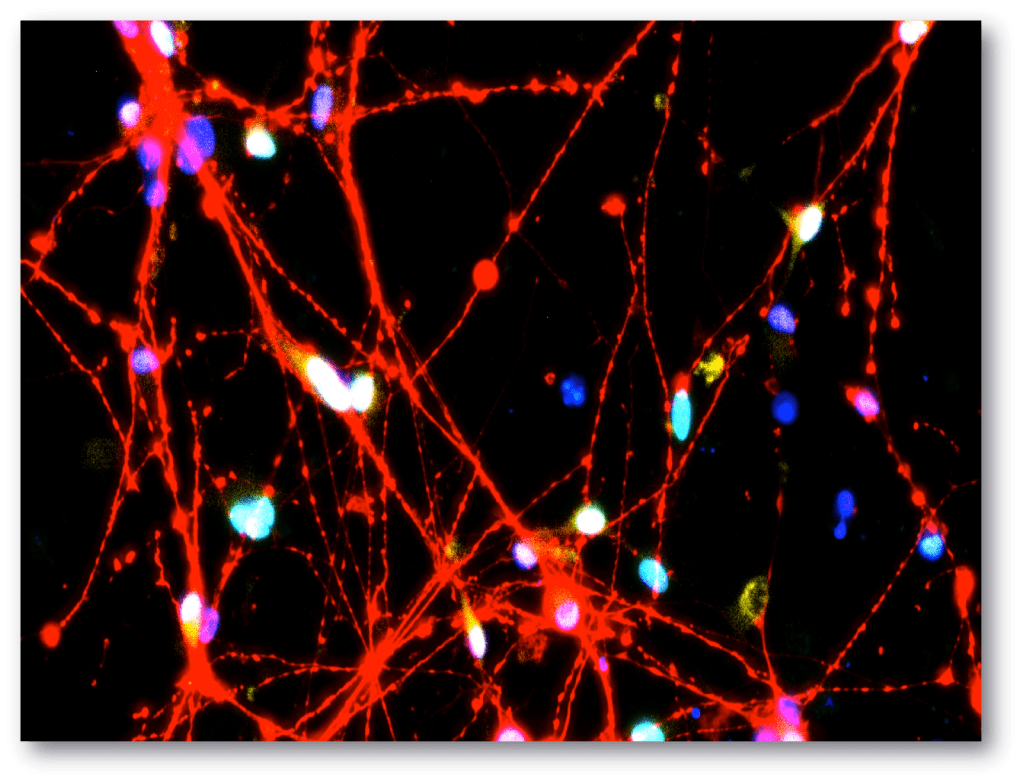

Regenerating the degenerating brain — from zebrafish to Alzheimer’s disease
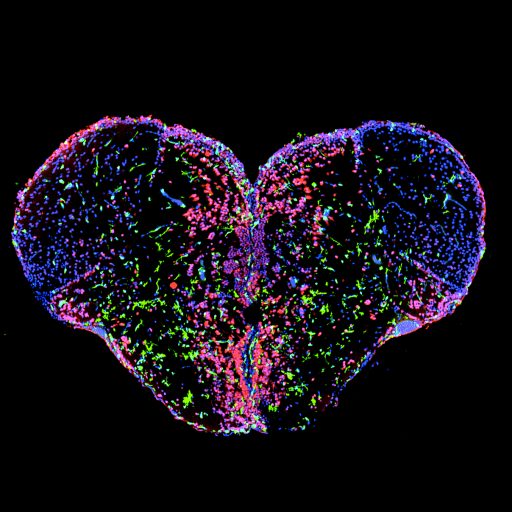
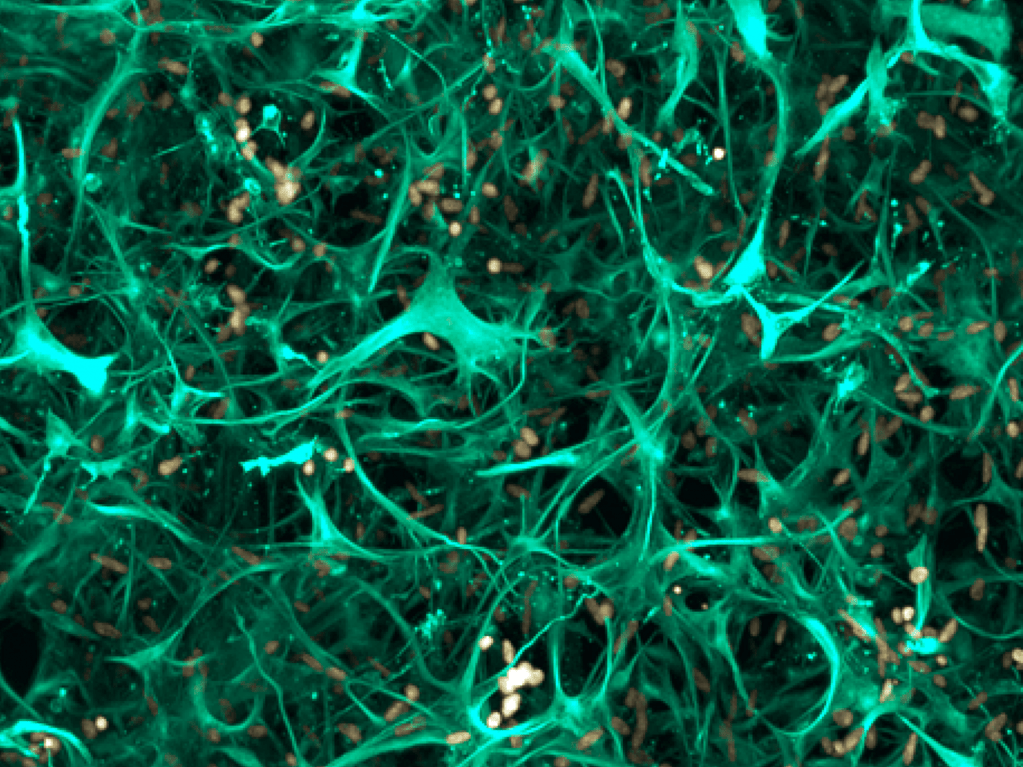
The Kizil Lab studies how the brain regenerates using zebrafish, mouse and human 3D brain models to identify the mechanisms governing neurodegeneration and resilience to disease.
Why do we work on Alzheimer’s?
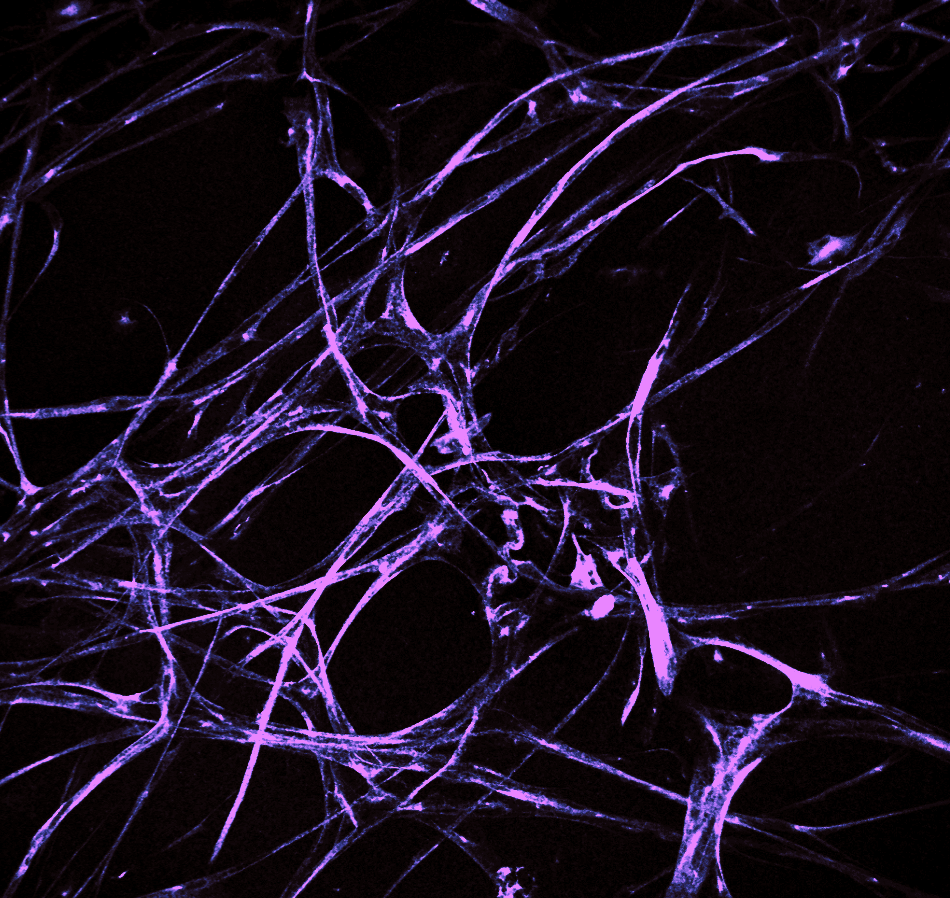
The brains of aging humans are prone to neurodegenerative disorders and we are unable to counteract neuronal loss by regenerating lost cells. Patients with neurodegenerative conditions progressively loose neurons yet cannot form new neurons that would replace the lost ones. We are using zebrafish and novel 3D human culture systems as models to investigate the vertebrate neural stem cells, which we believe are the hope to bring back our lost neurons. We want to find ways how we can restore our brain function in fighting against Alzheimer’s! Additionally, many genes are associated with increased risk of Alzheimer’s disease but we are not in full understanding on how those genes contribute to the pathology of Alzheimer’s disease. Our models are helping to elucidate those functions.
What makes our work different?
Zebrafish regenerates its brain successfully even in Alzheimer’s disease conditions. Our goal is to learn from zebrafish how we can enable the human brain to better cope with neurodegenerative disease and regenerate. We have a unique model to work with. Zebrafish also offers excellent opportunities for functional and translational genomics toolkit for Alzheimer’s disease research. We bring together basic science, technology development, drug screening and development, disease modeling and computation in one animal model, and feed our science from world leading clinical studies and Alzheimer’s disease cohorts.
The motivations of our research group is (1) to understand the molecular programs zebrafish brain uses to induce regenerative stem cell plasticity, (2) harness this knowledge to unlock the regenerative potential of our brains in Alzheimer’s disease conditions, (3) develop new functional genomics models in zebrafish to study the function of Alzheimer’s disease-related genes, and (4) to use zebrafish as a pre-clinical animal model for our novel first-in-class multi-target directed ligand compounds. Check out our publications and presence in the media.
Our Vision: Regeneration, Resilience, and the Genomic Logic of Repair
At the Kızıl Lab, we study how the brain preserves — and sometimes loses — its remarkable capacity for resilience. Our research bridges regeneration, neurodegeneration, and functional genomics, aiming to understand how the genetic programs that enable neural repair are encoded, regulated, and, in humans, often silenced.
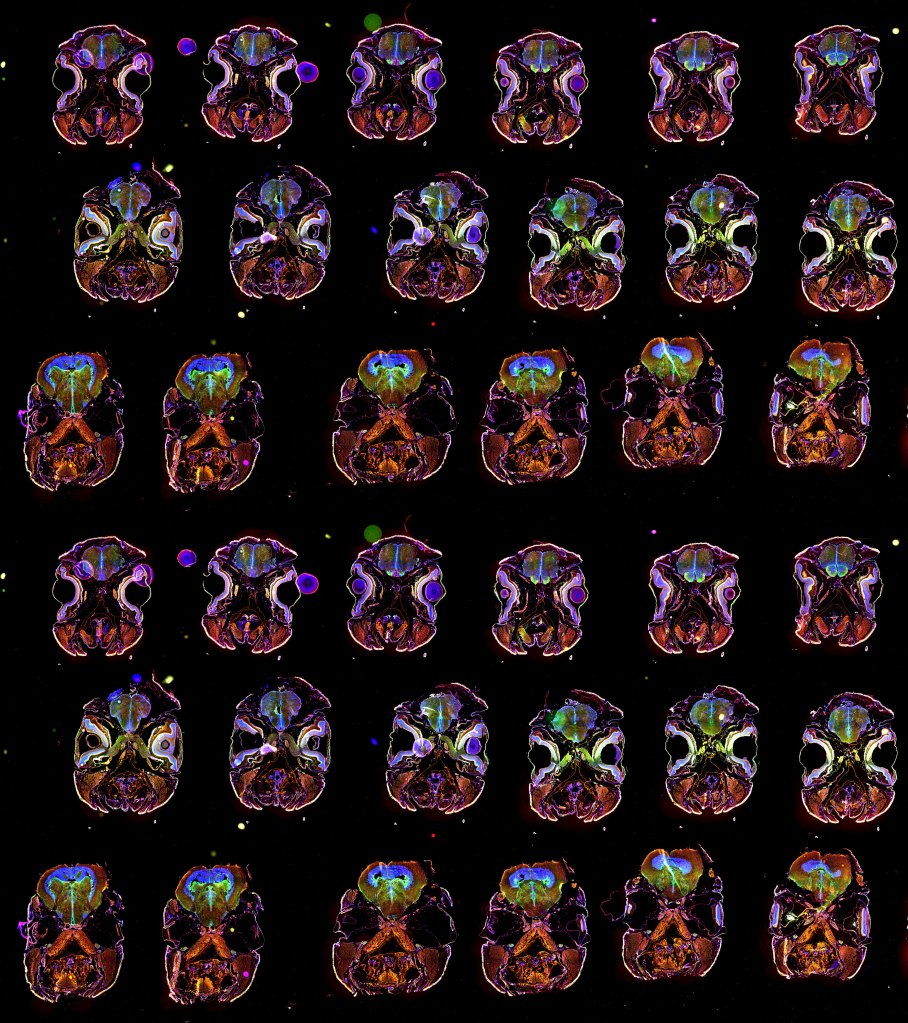
We are among the pioneers of the concept of regenerative genomics: decoding the molecular and cellular logic that allows certain species, like the zebrafish, to regenerate neurons after injury or disease. By integrating single-cell and multi-omics analyses across zebrafish, rodent, and human brains, we uncover the conserved gene networks that drive repair — and investigate why these pathways become constrained in neurodegenerative conditions such as Alzheimer’s disease.
Our philosophy is grounded in our vision that neurodegeneration is not irreversible decay, but a reversible loss of resilience. We view the brain as a dynamic system capable of self-renewal when its intrinsic programs are reactivated. Through a multidisciplinary approach that combines experimental biology, computational modeling, and translational neuroscience, we aim to reveal how resilience can be restored — transforming the way we understand and treat diseases of the aging and injured brain.
Our lab culture
Our team is composed of young and ambitious scientists. In the last 11 years, our team members came from 24 countries of 5 continents, with diverse backgrounds. Kizil Lab derives its success from this richness that cultivates a positive dialogue, gender equality, inclusion and openness. With our non-hierarchical approaches to discussions and management, we created a true melting pot where many scientists outside of our lab also aspire to join. Thanks to our lab culture that respects differences and promotes productive team work, our team members bring their extraordinary input and enthusiasm into the new projects. We believe that the team spirit and the congruence generated in Kizil Lab is the reason behind our success.










 Kizil Lab