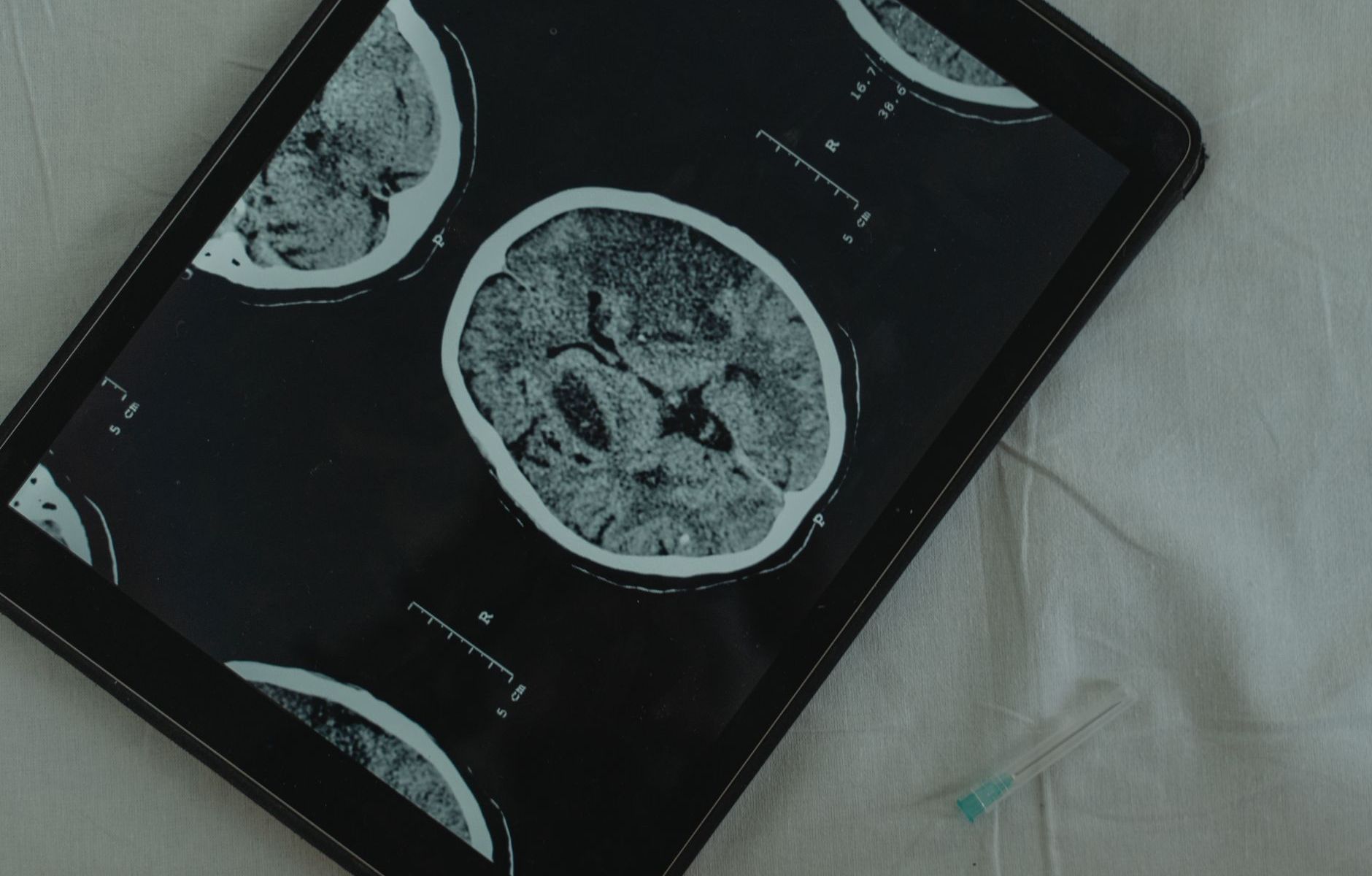
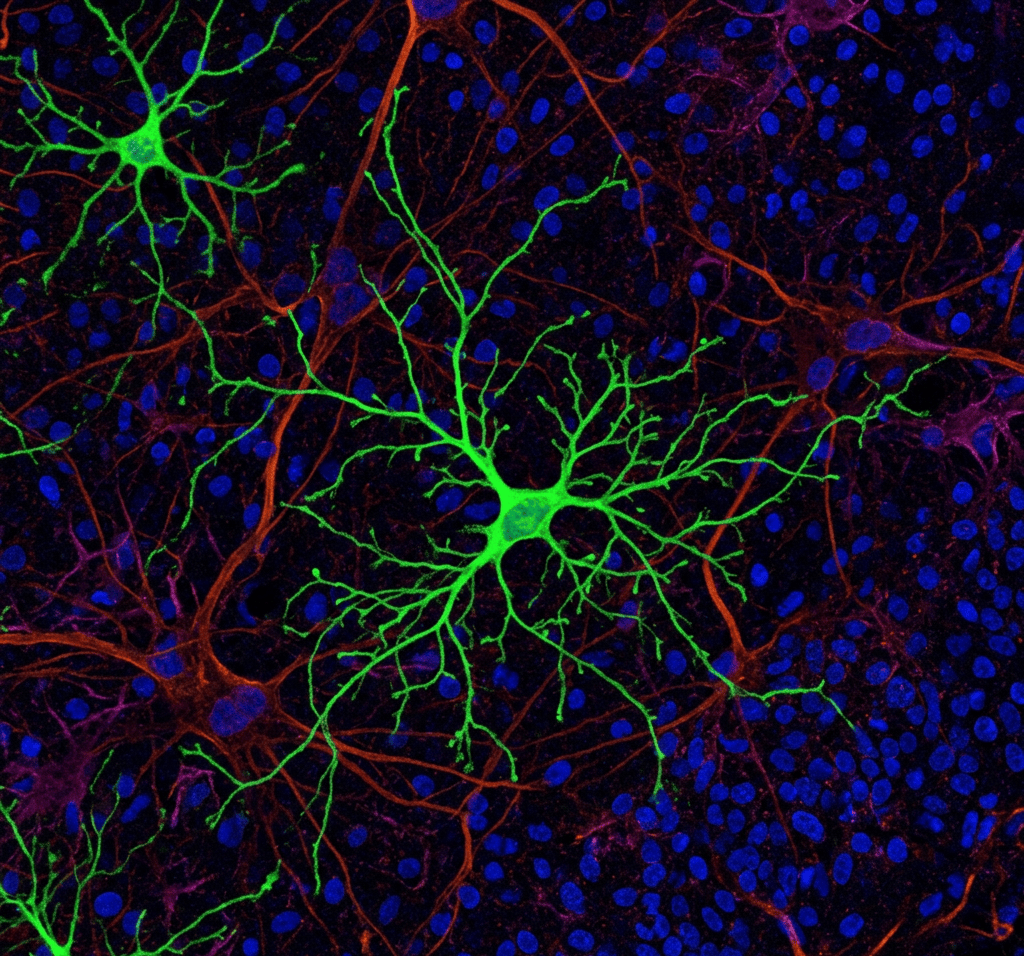
We are excited to share our latest study, published today in Nature Aging, identifying astrocyte-derived fibronectin (FN1) as a key mechanistic driver of blood-brain barrier (BBB) dysfunction in Alzheimer's disease โ and a proximal mediator of the risk conferred by the APOE ฮต4 allele. Building on our earlier work showing that a rare, protective loss-of-function …
Kizil Lab at European Zebrafish Meeting 2026
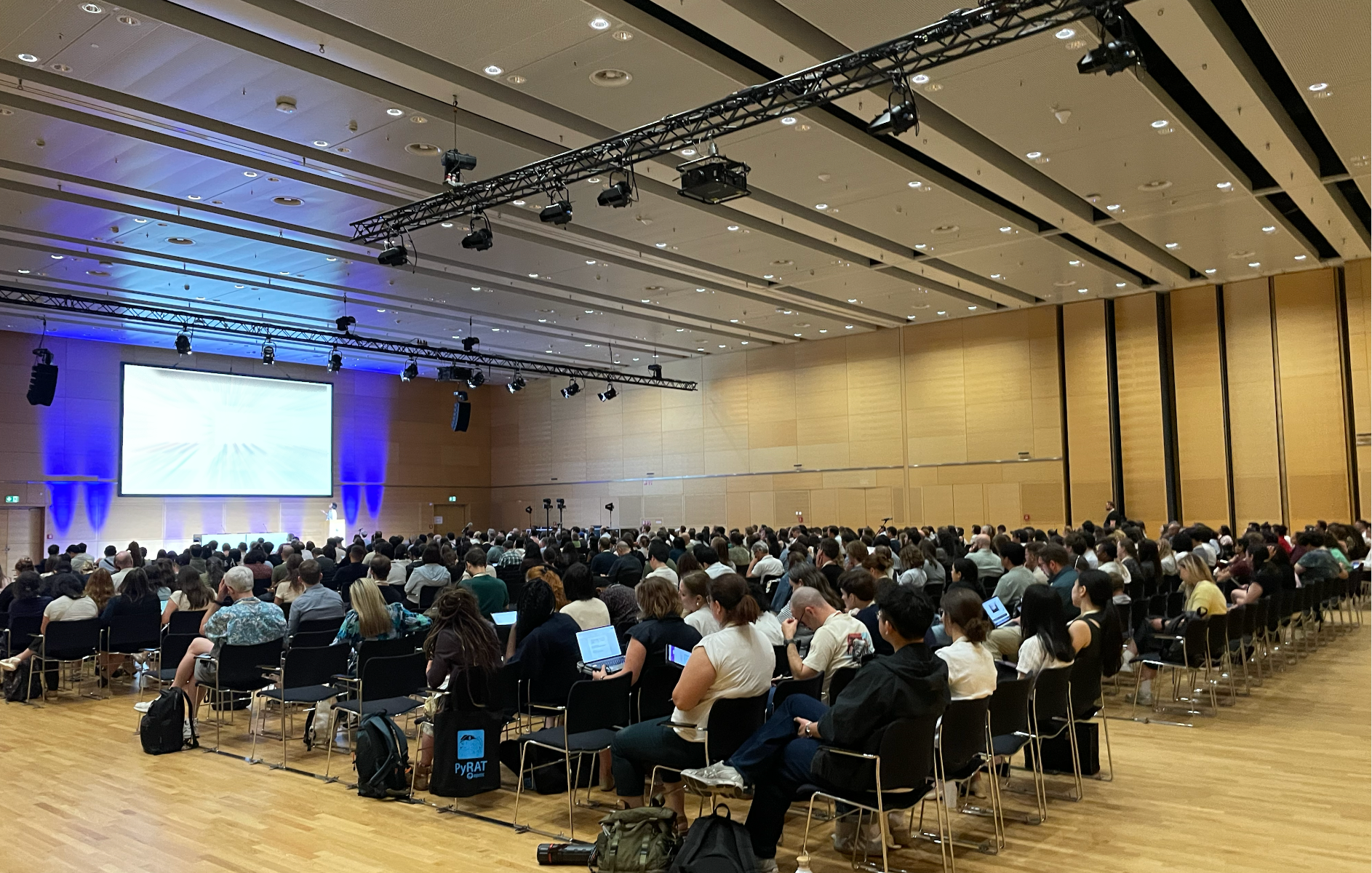
The Kizil Lab is pleased to participate in the European Zebrafish Meeting (EZM 2026) in Vienna, Austria. During the meeting, we presented our latest research, engaged in stimulating discussions with colleagues from across the international zebrafish community, and had the privilege of chairing sessions on disease models. The conference once again highlighted the remarkable versatility …
Continue reading "Kizil Lab at European Zebrafish Meeting 2026"
New Publication: Shared Genetic Risk Between Alzheimer’s Disease and Stroke
We are pleased to share our latest collaborative publication in Alzheimer's & Dementia, a study led by Dr. Christiane Reitz. The work identifies PHLPP1 as a shared genetic locus, providing new insights into the biological mechanisms linking cerebrovascular disease and Alzheimer's disease and highlighting the importance of studying diverse populations in neurogenetics. Ray NR, Kurup …
Continue reading "New Publication: Shared Genetic Risk Between Alzheimer’s Disease and Stroke"
Our student Rania Awad Receives Grand Award at Terra NYC STEM Fair
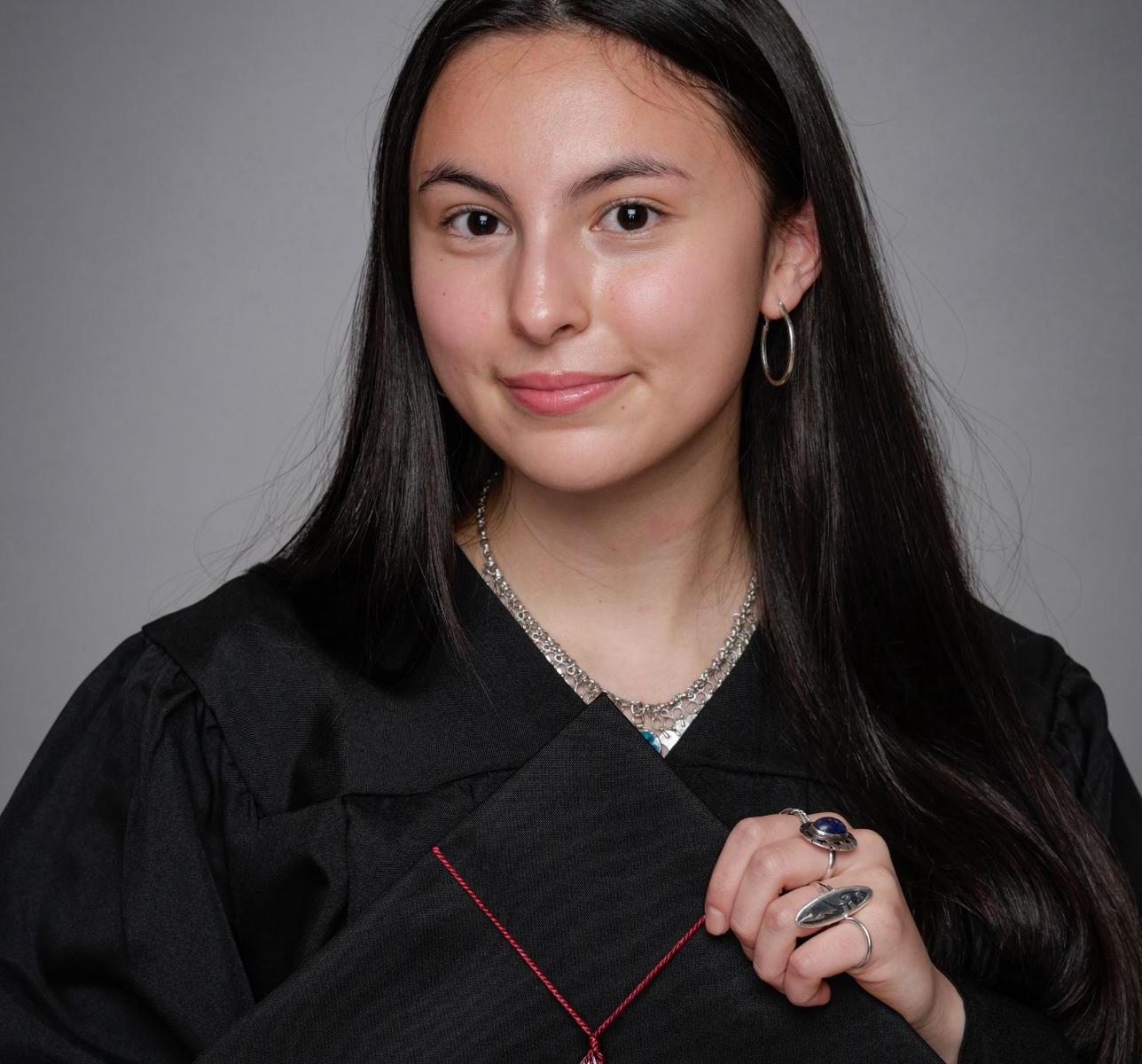
Huge congratulations to our outstanding student, Rania Awad! We are incredibly proud of her remarkable achievement and the dedication she has shown to her training. Her hard work, curiosity, and passion for science shine through in this accomplishment. On March 21st, high school senior Rania Awad competed at the final round of the Terra NYC …
Continue reading "Our student Rania Awad Receives Grand Award at Terra NYC STEM Fair"
Dr. Prabesh Bhattarai on Research Renaissance: Regenerative Biology and Alzheimer’s
Our associate research scientist, Dr. Prabesh Bhattarai, was recently featured on the Research Renaissance podcast, where he spoke with host Deborah Westphal about how regenerative biology could open new doors for Alzheimer's treatment. Dr. Bhattarai discussed how zebrafish are able to regenerate neurons lost to Alzheimer's-like damage and why humans and mice can't do the …
Our preprint about new insights from human brains into APOEโฮต4 in vascular pathology and Alzheimerโs disease risk is out
We are happy to announce a new preprint from the Kizil Lab, led by first author Elanur Yilmaz, titled โSingleโnucleus multiomics in brains from Hispanic individuals reveal APOEโฮต4โdriven disruption of focal adhesion signaling in the presence of cerebrovascular pathology.โ In this study, our team analyzed 413,175 single nuclei from 52 postmortem brains with high cerebrovascular …
New preprint investigating the pathology mechanisms of Fibronectin at the blood-brain barrier is out
We are excited to share a new preprint from the Kizil Lab titled "APOEโฮต4โinduced Fibronectin at the bloodโbrain barrier is a conserved pathological mediator of disrupted astrocyteโendothelia interaction in Alzheimerโs disease." In this study, we uncover a previously unknown mechanism by which the APOEโฮต4 alleleโone of the strongest genetic risk factors for Alzheimerโs diseaseโdisrupts brain …
Our study about ABCA7-dependent genetic risk in Alzheimer’s disease is published
We are excited to share our new study on the role of the ABCA7 gene in brain resilience against Alzheimerโs. Published in Cell Genomics, we found that ABCA7 is crucial for maintaining synaptic health by regulating neuropeptide Y (NPY), a key molecule for brain communication and repair. Loss of ABCA7 reduces NPY, weakening the brain's …
Continue reading "Our study about ABCA7-dependent genetic risk in Alzheimer’s disease is published"
Our project received Translational Therapeutics Accelerator Award
We are glad to announce that we received a Translational Therapeutics Accelerator (TRx) Pilot Award, which provides resources to position therapeutic discoveries for future commercial value. This was a project entitled "Multitarget drugs for therapeutic use in Alzheimer's disease " spearheaded by Dr. Turgutalp at our lab. Congratulations!
Collaborative Study on Molecular Insights into Blood-Brain Barrier Dysfunction in Alzheimer’s Disease Published
We are thrilled to announce our participation in a groundbreaking study in collaboration with Mayo Clinic, now published in Nature Communications. This research looks into the intricate role of blood-brain barrier disruptions in Alzheimerโs disease, leveraging the remarkable capabilities of zebrafish models in combination with vast antemortem and postmortem human brain datasets. The blood-brain barrier …