We are thrilled to announce our participation in a groundbreaking study in collaboration with Mayo Clinic, now published in Nature Communications. This research looks into the intricate role of blood-brain barrier disruptions in Alzheimerโs disease, leveraging the remarkable capabilities of zebrafish models in combination with vast antemortem and postmortem human brain datasets. The blood-brain barrier …
We found a genetic variant that protects against Alzheimerโs disease
We discovered a genetic variant that reduces the odds of developing Alzheimerโs disease by up to 70% and may be protecting hundreds of thousands of people from the disease. The discovery of the protective variant, which appears to allow toxic forms of amyloid out of the brain and through theโฏblood-brain barrier, supports emerging evidence that …
Continue reading "We found a genetic variant that protects against Alzheimerโs disease"
Dr. Bhattarai elected as Toffler Scholar
Congratulations to Dr. Prabesh Bhattarai, who is elected as a Toffler Scholar of The Karen Toffler Charitable Trust. "Through partnerships with leading universities, the Toffler Scholar program supports promising young medical researchers, physicians, and scientists who are at a pivotal point in their careers. Where others see risk, we see the potential for profound impact. …
Our collaborative study identified a protective genetic variant in humans that protects against Alzheimer’s disease
We are glad to announce another preprint from our lab. We have discovered rare genetic variations in a gene associated with the extracellular matrix (ECM) that might protect against Alzheimerโs disease for those at higher genetic risk, specifically individuals carrying the APOEe4 allele. The study used whole genome sequencing data from different cohorts to isolate …
Fishing for Insights into Human Disease
Huge thanks to Columbia University Irving Medical Center for featuring our research along with our fantastic team of zebrafish researchers in CUIMC. https://www.cuimc.columbia.edu/news/fishing-insights-human-disease
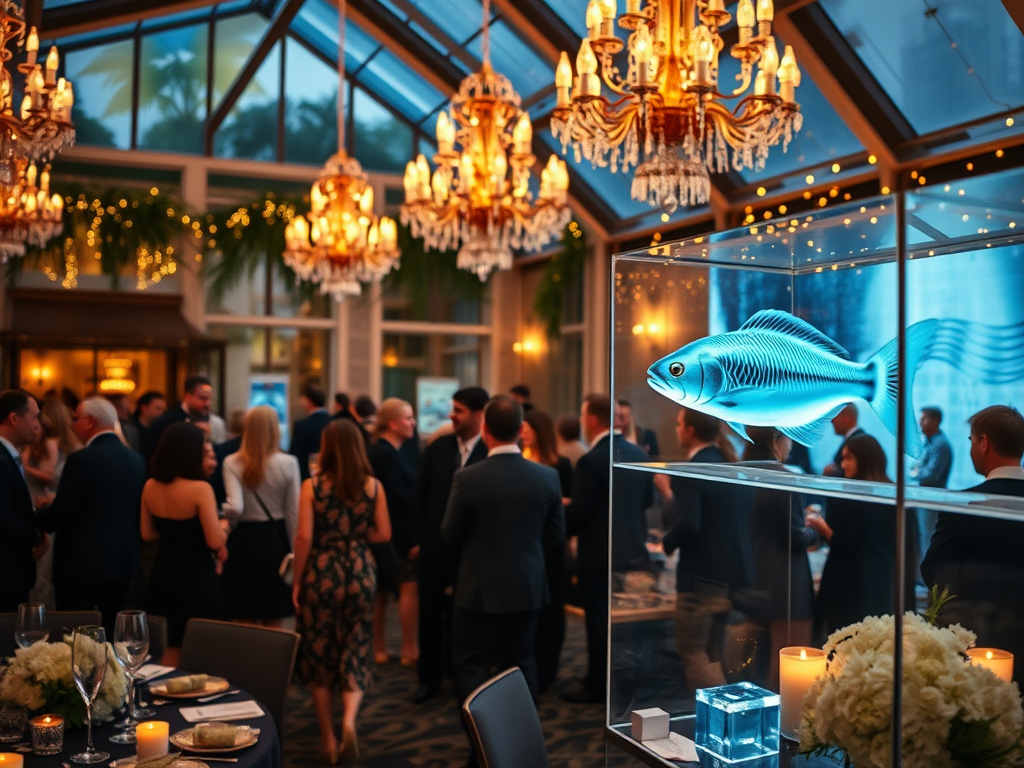
Zebrafish in the Crown Awards Gala
On November 13, 2023, benefactors, faculty, and friends from the Columbia University Vagelos College of Physicians and Surgeons (VP&S) community joined together to celebrate the 14th Annual Crown Awards Gala at The Glasshouse in New York City. The eveningย celebrated how Columbiaโs philanthropic partners, faculty, students, and staff are โTransforming Health by Driving Discovery.โ We are …
First preprint research article from Kizil Lab in 2024 out
We are glad to share our first bioRxiv preprint in 2024. Alzheimer's disease is characterized by cognitive decline and memory loss, and genetic variations in humans are key to understanding it. Our study focused on the ABCA7 gene, which is linked to Alzheimer's risk. We used CRISPR/Cas9 gene editing to create zebrafish with a genetic …
Continue reading "First preprint research article from Kizil Lab in 2024 out"
Kizil Lab’s research is in Top 5 research posts of 2023
We are happy that our Alzheimerโs study in 2023 was selected as one of the best 5 achievements in Neuroscience in 2023 by NeuralCellNews. Thank you! https://twitter.com/NeuralCell/status/1741207280815575518
Zebrafish in the Carol and Gene Ludwig Center for Research on Neurodegeneration
This yearโs Crown Award was presented to Dr. Carol and Gene Ludwig to honor their support of the new research building and establishment of The Carol and Gene Ludwig Center for Research on Neurodegeneration. We are glad to be part of this initiative by participating in one of the seed projects with our zebrafish model.
More neurons, less Alzheimer’s: from zebrafish to mammals
A molecular mechanism that zebrafish brain uses to regenerate neurons after neurodegeneration can help us to cope with Alzheimer's, our recent study shows. Induced neurogenesis could be a therapy option for ameliorating Alzheimer's disease pathology. Our recent publication in Nature Partner Journal Regenerative Medicine addresses whether we can use neurogenesis as a means to counteract …
Continue reading "More neurons, less Alzheimer’s: from zebrafish to mammals"